
 0407 160 107
 View all blog posts
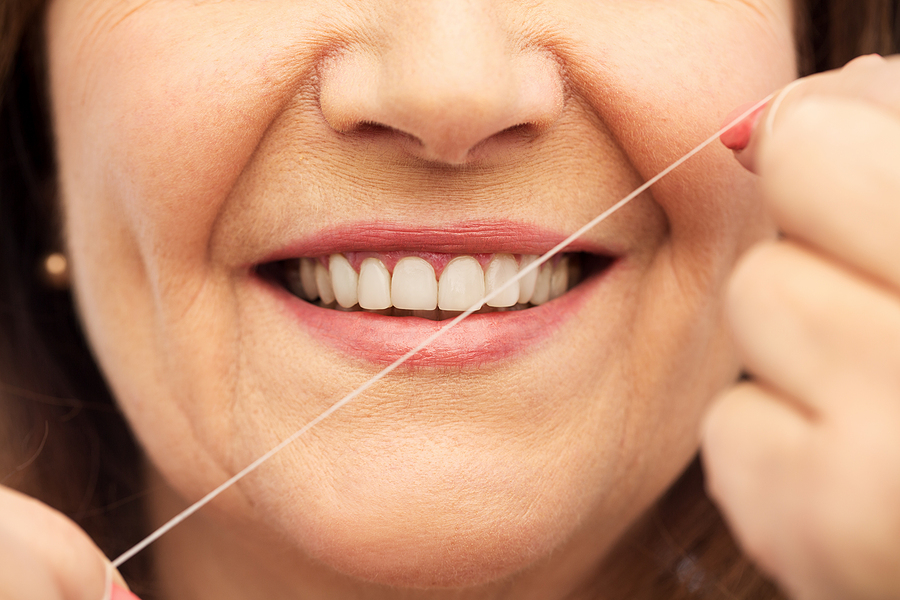
Increasingly, oral health and brain health researchers are looking at whether there’s a connection between the two.
Our mouths are home to about 700 species of bacteria, and there’s been talk for a long time about some of those being able to find their way to our hearts. Now that conversation has extended to include our brains.
At an American Stroke Association conference last year, researchers shared the results of a 25-year study in which around 12,000 people had been followed. Apparently about 65% were flossers which, as you’ll soon see, makes them either far more diligent than we Australians, or fibbers.
This research team was looking to see whether there was a relationship between flossing and the incidence of atrial fibrillation or various types of stroke. In atrial fibrillation, irregular electric signals prevent the heart from pumping properly.
In the flossers, they found a 12% lower risk of atrial fibrillation, a 22% lower risk for the kind of stroke in which a blood vessel is blocked (the most common type), and a 44% lower risk of the kind of stroke in which a clot forms in the heart but travels to the brain and blocks an artery there (atrial fibrillation is often the cause).
The explanation put forward was that flossing reduces oral infections and gum disease, both of which can cause inflammation. Since inflammation is linked to atrial fibrillation and stroke, regular flossing could reduce the risk of them.
But there might be another explanation. Maybe flossers are just more conscientious about their health. Maybe they’re more affluent or more educated, eat differently, exercise more, and so on.
Recently it’s also been suggested that the bacteria responsible for infections and gum disease might be involved in the development of Alzheimer’s and vascular dementia.
Again, studies show that people with oral infections and gum disease are more likely to develop dementia, but dementia is a disease that’s a long time in the making. At some point, as cognition is affected, those people are likely to become less able to manage their oral hygiene. So what comes first, the beginning of dementia or the drop off in brushing and flossing?
Our ABC radio friend Norman Swan was talking about this on his program a couple of months ago. He said, “I think that oral health is actually one of those things that we don’t prioritise enough in Australia”.
Research published for Dental Week in 2023 backs him up. This survey claimed that three-quarters of Australians rarely or never floss their teeth (though women are more regular than men) and that about 20% of us only brush our teeth once a day.
While a connection between oral bacteria and other parts of our body seems plausible, for now we don’t have the kind of evidence to demonstrate cause and effect.
It’s interesting though that some high profile ‘brain experts’ such as psychiatrist Daniel Amen and neurologist Dale Breseden (both from LA) include dental hygiene in their recommendations for brain health.
So it’s probably smart to floss like you mean it, even if the most we can promise at this stage is clean teeth and happy gums.
Photo Source: Bigstock