
 0407 160 107
 View all blog posts
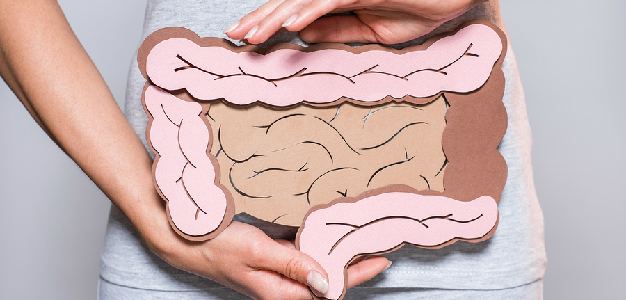
Antibiotics can knock out some of our gut bacteria, so what’s the best way to restore them?
At some stage we all need antibiotic treatment, but losing bacteria in our gut can upset the balance in there.
And if there’s one thing we’ve learned in all the focus on the gut microbiome in recent years it’s that bacterial diversity is a plus. We also want the good guys to outnumber the bad guys.
An abnormal microbiome has been linked to health issues such as obesity and inflammatory bowel disease. Our gut is also our source of immunity and has been tied to the health of our brain, so it’s smart to keep it in the best condition we can.
After antibiotics most of us probably do one of two things. We either do nothing, or we might visit the local pharmacy in search of a probiotic to help offset the impact of what we’ve just taken.
Probiotics are preparations that, at least theoretically, contain live microorganisms designed to help repopulate the gut. But do they?
A European study published in 2023 tried to answer that. It’s not an easy question to answer — everyone’s microbiome and diet is different, and there are all sorts of antibiotics and probiotic formulas.
This team searched through the good quality trials that had tried to identify how well probiotics rectified antibiotic-induced gut changes.
They concluded that probiotics aren’t as useful as we might think. There was little difference between people who took them and people who didn’t.
Maybe that shouldn’t be surprising given we don’t know which bugs have been wiped out and whether the contents of the probiotics we’re taking can replace what we’ve lost.
Fortunately, unless we’re taking a particularly virulent antibiotic, and as long as our gut is healthy, it’s probably resilient enough to right itself in the weeks after we stop taking the medication.
We can help things along though, since food also affects the balance of our microbiome.
An interesting study done through Stanford Uni a few years ago compared the effects of adding fermented foods to the diet vs adding plant-based fibre. The researchers were keen to see whether there was any difference in the impact on the gut microbiome between these two approaches.
In a four-week introductory phase participants were asked to gradually add these foods to their diet.
The fermented food group were to build up to at least six servings a day of foods such as yoghurt, kefir, buttermilk, cottage cheese, pickled vegies, kimchi, sauerkraut and kombucha, while the high fibre group were to add at least 20 grams of fibre a day to their regular diets from a variety of sources, i.e. legumes, nuts and seeds, whole grains, vegetables and fruit.
They then had six weeks to maintain these changes, followed by four weeks where they could choose what they did.
It was a very small study — only 18 people in each group — so not enough to assume the results apply to everyone. There were 25 women and 11 men, average age 52.
What the researchers found was that fermented food increased gut diversity and decreased inflammation. Which is ideal. What we could take away from this is that after a course of antibiotics it’d be a good idea to weave some fermented foods into our diets.
This maybe also tells us that the microorganisms in fermented foods are more potent than the contents of probiotic capsules.
The high-fibre regime didn’t show the same increased diversity, although more microbes showed up in participants’ stools, so presumably there’d been an increase in the kind of bacteria that break down fibre.
The research team wondered whether the study had been too brief to give people’s guts time to adapt to the extra fibre.
A smart response to antibiotics — and a way to support gut health generally — might be to eat a broad range of plant fibre as well as some fermented food. The broad range ensures that we’re feeding a spectrum of gut bugs rather than just adding a daily dose of Metamucil.
Some people’s guts don’t handle fibre well, so this isn’t the pathway for us all. Where fibre or fermented food don’t work, stick to the kind of diet that does.
Once we’re well again we can also add some regular moderate exercise, because activities such as walking, cycling, yoga and tai chi have also been shown to reduce inflammation and improve gut function.
Photo Source: Bigstock