
 0407 160 107
 View all blog posts
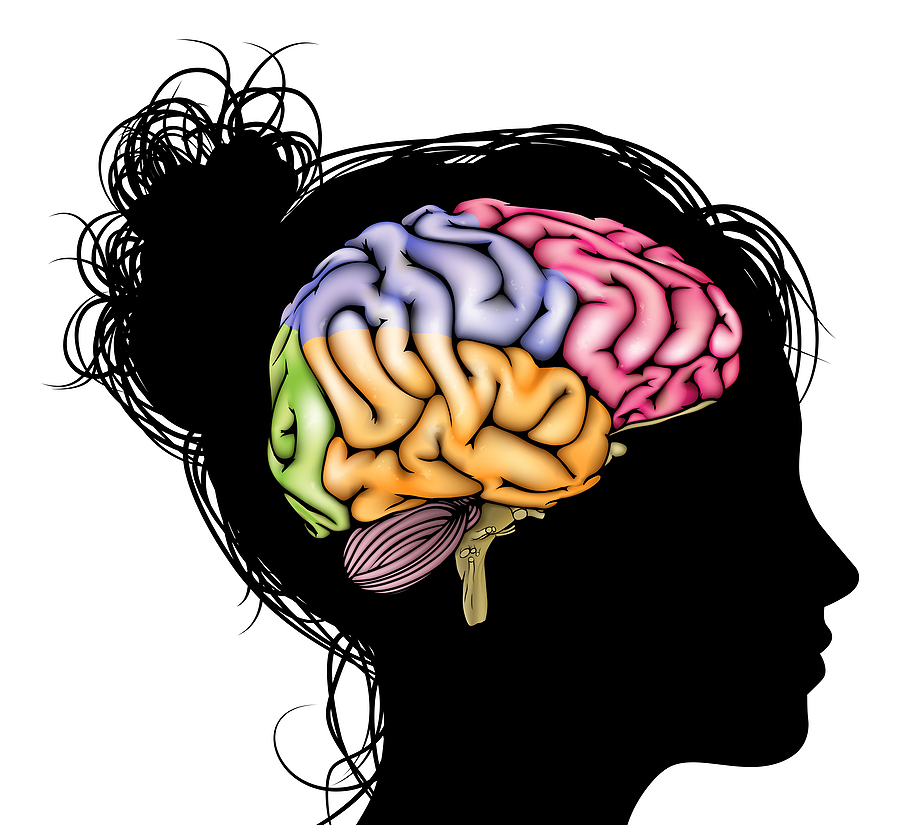
According to the WHO, following them can reduce the incidence of dementia or cognitive decline by up to 45%.
This second edition of the guidelines was released in mid-July, seven years after the first.
One interesting addition this time around is a recommendation against using menopausal hormone therapy for brain health.
It’s not a recommendation against MHT in general, but a statement that it can’t justifiably be prescribed to reduce the risk of dementia.
It’s also recommended that we don’t take supplements (such as vitamins B and E, omega-3, or multivitamins) for the purpose of dementia prevention given the lack of evidence. Unnecessary supplements can also cause harm. But I’ll come back to that at the end.
A key point made by the authors is that dementia risk is shaped by a range of factors throughout our lives. Too often it’s regarded as a disease of old age, and although age is a risk factor, and it might not show up until late in life, dementia develops gradually over several decades.
Here are the 19 prevention strategies.
Alcohol reduction — the document notes that alcohol has no health benefits, and that research consistently links heavy drinking to increased risk of cognitive impairment and dementia.
Tobacco cessation — ‘Tobacco use should be avoided entirely,’ say the authors. Hard to argue.
Physical activity — another no-brainer, though the recommendations for brain health are no different from the general physical activity guidelines that each country publishes.
Healthy diet — nothing new here either. The kind of diet that reduces the risk of diabetes and heart disease also benefits the brain. But note the advice against taking supplements for this purpose.
Social activity — this is strongly linked with health and well-being throughout life.
Cognitive activity — doing things that stimulate our mind are clearly important, though there’s not much evidence for any specific activities.
Hypertension (high blood pressure) — this is a well-established risk factor for dementia and needs to be managed.
Diabetes — people with type 2 diabetes have a 50–100% increased risk of dementia compared with people who aren’t diabetic.
Dyslipidemia (high cholesterol) — again, the view is that what’s good for the heart is good for the brain.
Obesity — and again, being a healthy weight seems to support a healthy brain as well as cardiovascular health.
Stroke — this is a risk factor for dementia, but in addition, stroke and dementia share several common risk factors including high blood pressure, air pollution, obesity, high cholesterol, inactivity, and harmful use of alcohol.
Depression — this has been linked to increased dementia risk, though it’s hard to know whether this is because of the direct effect of depression on the brain or because depression can result in social isolation or a loss of interest in self-care activities such as exercise or eating healthily.
Hearing loss — unmanaged this can result in social isolation, lack of engagement, and a loss of mental well-being.
Vision impairment — like hearing loss this can give rise to social isolation and a loss of sensory input to the brain.
Sleep — disordered sleep has been linked with cognitive decline, but poor sleep can also be aligned with other risk factors such as physical inactivity and depression.
Traumatic brain injury (e.g. from accidents, falls, violence, sports injuries) — although this is associated with an increased risk of dementia, at this stage no one knows how to reduce that risk once the injury has occurred.
Use of Menopausal hormone therapy — a new recommendation against using hormone therapy for reducing the risk of dementia on the basis that there’s not enough evidence. MHT has been shown to be useful for addressing menopausal symptoms such as hot flushes and for bone, but beyond that there are no clearly beneficial findings.
HIV — globally almost 41 million people live with HIV. Cognitive impairment is often a complication of the disease, especially in countries where drug treatment is hard to access.
Air pollution — industrial air pollution is toxic and has been implicated in chronic diseases such as dementia and cardiovascular disease, but inhaling smoke from domestic fireplaces is also a risk factor.
If this kind of list seems familiar, well-known medical journal The Lancet also publishes a list of risk factors for dementia. While the WHO takes a broader view, there’s a lot of overlap between the two.
In addition to both of these groups, there are high profile doctors, mostly American, who also have a lot to say about what causes neurodegenerative diseases such as dementia. These include psychiatrist Daniel Amen and neurologists David Perlmutter and Dale Breseden.
While The Lancet and the WHO take a mainstream medical view, doctors like these are more inclined to colour outside the lines.
For example, David Perlmutter’s upcoming book focuses on the role of the brain’s own immune cells, the way they can shift from supporting brain health to being destructive, and how we can keep them in brain support mode. Although his argument will likely encompass the risk factors on The Lancet and WHO lists, he also goes further.
The beauty of it all is that we know far more about how to look after our brains than our parents ever had a hope of knowing.
Coming back to the use of supplements for cognitive support, like many areas of research it’s hard to get a clear picture because different studies use different supplements in different dosages, they measure cognitive function in different ways, and so forth. So the WHO advice to avoid that path is understandable.
For what it’s worth though, in 2024 the results of an American study investigating the effect of multivitamin and mineral supplementation on cognitive function were published. Typically, these types of supplements contain essential vitamins and minerals at lower levels than in individual supplements.
This study followed 573 people (average age initially was 69 with roughly equal numbers of men and women). They were randomly allocated to take a supplement (Centrum Silver, which is promoted for people over 50) or a placebo. Detailed tests of brain function and behaviour were carried out at the start and two years later.
The research team claimed that those taking the supplement showed benefit in episodic memory (recalling the what, when and where of things we’ve experienced in the past) and global cognition (where a range of tests for e.g. memory, problem solving, and language are combined into a single score). The effect on global cognition was said to represent the equivalent of reducing cognitive ageing by two years.
A few things to consider though: a) we don’t know how the supplement made a difference (was it due to certain vitamins or minerals, and if so, what did they do? reduce inflammation?), b) supplementation may have made a difference because participants’ diets were deficient, and people who eat a nutritionally balanced diet might not experience any benefit, and c) given this is the first well-conducted study to demonstrate this kind of result, it’s a bit soon to assume Centrum Silver is the answer to brain ageing. We also can’t generalise about the value of multivitamin and mineral supplements beyond this study and this supplement. Still, it’s positive.
PS. You may have also heard that we’re perhaps six to nine months away from having access to a blood test in Australia that can identify biomarkers linked to Alzheimer’s. That’s different from testing to identify our genetic risk. The new test can detect the disease before we have symptoms. The upside is that an early diagnosis will give people time to plan their lives and the support they need. The test can also provide peace of mind for people who are concerned about their brain health but don’t have the disease.
Photo Source: Bigstock