
 0407 160 107
 View all blog posts
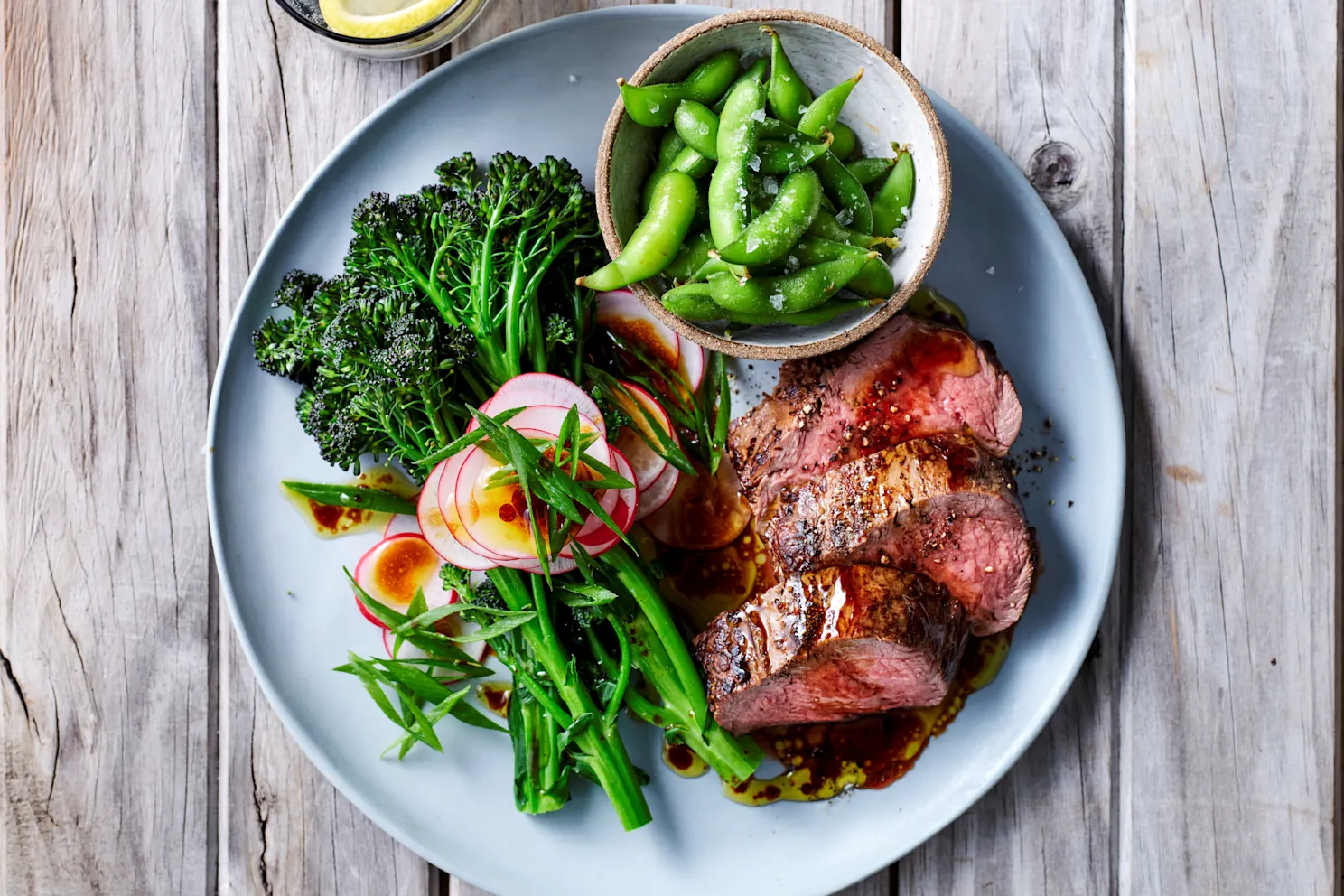
We’re surrounded by health advice, but it’s not always reliable.
For example, this month I spotted an article in an Australian paper that originally came from The Telegraph in the UK. The heading was The foods that Alzheimer’s experts want us to cut back on.
According to the journalist, one study had found that avoiding five certain foods slashes the risk of developing Alzheimer’s in half.
That’s a huge claim, so what might those five foods be?
There’s fried or fast food, which is fair enough, and sweets and pastries, which also makes sense.
The other three brain damaging foods? Red meat, cheese, and butter. Accompanied by photos such as the one above.
Yes, that’s a solid serve of meat, but now I was curious about the source of this dietary expertise, because there’s no research showing that steak and veg, or even decent quality steak by itself, is bad for our brains.
Turns out it’s supposedly the Rush University Medical Centre in Chicago. A bit over a decade ago, a woman from there developed something called the MIND diet.
MIND stands for Mediterranean-DASH Intervention for Neurodegenerative Delay.
It’s a combination of the Mediterranean idea and the DASH diet, where DASH stands for Dietary Approaches to Stop Hypertension. DASH (low salt, low sugar, low fat) has been around since 1997.
In short, the MIND diet prioritises grain, legumes, fruit, low fat dairy, and polyunsaturates. Meat, eggs, and full fat dairy not so much.
To the credit of the Rush University people, a few years ago they decided to trial the diet. That rarely happens in the nutrition world because trials are big, long and expensive.
Participants had to have a family history of dementia, but no cognitive impairment themselves. ‘Healthy eaters’ were excluded, as were people with chronic disease.
Of the 604 people in the study, two-thirds were women and the average age was 70.
They were split into two groups. One was to follow the MIND diet while the others ate their usual diet. But all were told to cut back their intake by 250 calories per day, which was a bit odd, because that introduces another factor that could influence results.
Everyone undertook a batch of cognitive tests at six months, and one, two and three years.
The results were published in 2023. Both groups had lost weight, about 5 kgs. And both groups improved on the cognitive tests, which was hardly surprising given that by the end they were doing them for the fourth time.
So there was nothing between the two groups, and the MIND diet was shown to have made zero difference. Despite the name, there was no neurodegenerative delay.
But has that stopped it being badged as the diet that prevents Alzheimer’s? Not a bit. Just as the journalist did in that UK newspaper article.
So what evidence do we have in relation to diet and Alzheimer’s? Not a lot that’s concrete, but as we get more of a handle on what causes it, we’re getting a better idea.
Until very recently, the only theory on the cause focused on plaques and tangles in the brain.
Unfortunately, despite huge amounts of money being spent on developing medications designed to clear these, a gold standard review published last month concluded that current drugs are likely of no benefit in altering the course of the disease and that research needs to take a different tack.
Many observers in this space believe researchers got side-tracked on one idea and lost sight of what might be responsible for the range of changes that occur in the brains of people with Alzheimer’s. That is, they barked up the plaques and tangles tree and forgot about the forest.
There are other manifestations of the disease. For example, nerve cells die, especially in areas responsibly for memory and learning, and the connections between them drop off.
An Alzheimer’s brain also has low levels of insulin and the hormones it needs for growth and survival. There’s a decrease in energy production, which is a problem for an organ that needs a lot of energy.
What’s increasingly being recognised is that when we step back to take in the whole forest, what can account for all of these changes, including plaques and tangles, is faulty glucose metabolism.
The term ‘type 3 diabetes’ was first coined in 2005 to describe a kind of diabetes that occurs in the brain.
Type 2 diabetes comes about when there’s too much glucose in our blood and nowhere left for insulin to store it. Eventually, our body stops taking notice of insulin.
The same thing can happen in the brain, and when it becomes resistant to insulin, areas responsible for memory and learning are starved of energy.
But while insulin resistance is increasingly being viewed as a major factor, there are likely to be others.
An international commission looking into risk factors for dementia came up with a list of 14 in 2024. These include typical cardiovascular issues such as smoking, obesity and high blood pressure, along with traumatic brain injury, depression, isolation and hearing loss.
American neurologist Dale Breseden has been investigating cognitive decline for decades. In addition to insulin resistance, he points a finger at inflammation and exposure to toxins such as moulds, heavy metals and pesticides.
So we probably need to think in terms of a cluster of risk factors.
And the role of diet? Given the overlap between cardiovascular disease, diabetes and dementia we clearly need to eat in a way that keeps glucose and insulin levels healthy.
Breseden’s low-carb diet emphasises a 12-hour overnight fast, and avoiding alcohol, seed oils, processed food, sugar, poor quality meat and dairy, and gluten and lactose if we don’t tolerate them (to support gut health).
In addition, he encourages exercise, stress reduction, sleep hygiene, and dental hygiene (more about that in another post).
His protocol is criticised for being only for the wealthy, but there’s probably merit in his big picture focus.
So what to eat? It’s disappointingly dull, but the answer invariably comes back to real food.
The best illustration of what not to eat is on show at the average nursing home caring for people with Alzheimer’s. It’s usually the opposite of nutrient-dense food. To meet budget there’s an ocean of starch with minimal protein and healthy fats, but no shortage of cake and biscuits for morning and afternoon tea.
We’re often told we should eat specific foods such as blueberries, salmon, dark chocolate or lions mane mushrooms for brain health. I saw an article the other day on what a neurologist does to keep his brain healthy, which included a photo of him eating a bowl of blueberries. This is more barking up one tree.
Nothing wrong with berries, they’re a fine low sugar fruit. But when we get caught up in the idea of brain super foods, we forget that eating real food is the key.
It’s much less catchy than calling something a MIND diet, or promoting purple berries or special mushrooms, but that’s the way we prevent excess blood sugar and insulin and keep inflammation at bay. (Good quality steak and veg would be fine, by the way.)
And everything we know about Alzheimer’s tells us that prevention is the best, and at least for now, the only effective way to tackle it.
Photo Source: James Moffatt