
 0407 160 107
 View all blog posts
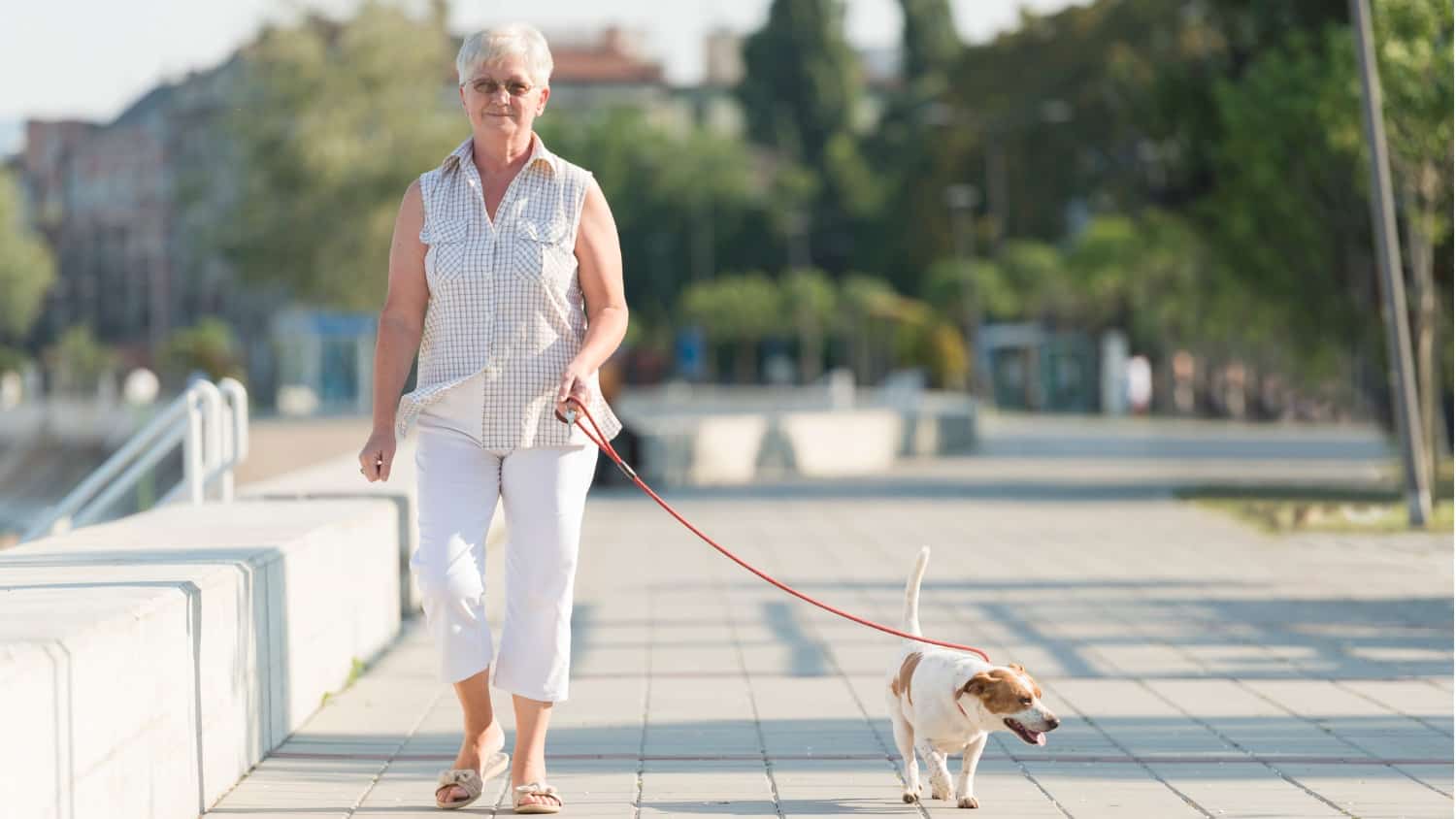
Given one fall can change the trajectory of our life, it’s smart to do a risk assessment of our homes and behaviours. Here are some places to look.
A paper published this month from The Irish Longitudinal Study on Ageing pointed out that a single fall can have a domino effect on our lives.
The researchers used data from 2454 people aged 65 or more. Around 20% fell within two years of joining the study, resulting in changes to their physical capacity and independence.
They were also three times more likely to need home care and had a greater likelihood of future falls and fractures.
After just one incident.
This led Washington Post journalist Gretchen Reynolds to interview one of the authors, 51-year-old falls prevention specialist Nathalie van der Velde (yes, she’s Dutch, not Irish) on what she does to reduce her own risk of falling.
She says she stands on one leg to brush her teeth.
But she also provided a list of areas for all of us to consider.
1. One lesson came from her mother who was taking blood pressure medication. Her cardiologist was thrilled with her low blood pressure, but sometimes she would get up at night, and her blood pressure was so low she’d fall or faint.
The mum didn’t want anyone to know she was falling, so Nathalie had to insist on conversations with the cardiologist to have the medication changed.
At least once a year, if we’re using medication, we should have it reassessed.
Our embarrassment around falling is a huge obstacle. It encourages us to hope no one saw it, shrug it off, and keep going. We’re better off looking squarely at why and how it happened and be intentional about avoiding a recurrence.
Sometimes slipping or tripping is unavoidable on our part. Young people fall over too. But it’s important to interrogate the situation for ourselves and learn, rather than putting on blinkers because we think that acknowledging a fall means we’re old.
2. Nathalie’s other key areas to address include footwear, vision, poor lighting, trip hazards, not paying attention to what’s around us, poor mobility (for example, from arthritis), and alcohol (alcohol and falls can go together). She also notes that people can fall when they stand up quickly and rush off. Many of us need to slow down, get present, and think about what we’re doing.
3. Bifocals can also be a problem. If we wear them outside and need to climb stairs or step onto or off a kerb, we usually look through the reading part of the lenses and these don’t give good depth perception. People who use regular glasses outside instead of bifocals fall less.
4. She encourages exercise to improve strength and balance and recommends falls prevention programs. One I’ve mentioned before is the Otago Falls Prevention Program which is available free online. It mightn’t challenge the super-fit, but for most people over 60 it’ll improve balance and strength and help with stairs.
She also recommends practicing getting up from the floor.
5. Finally, she supports the use of wearable technology that can get help if we do fall. This also provides security in that we know we can keep living our lives and if anything happens, help is at hand. The last thing we want to do after falling is become so careful and self-protective that we move too little and lose muscle. That’s a vicious cycle.
Below I’ve given you a broad taste of the comments and advice from readers following the publication of Gretchen’s article. These are ordinary people dealing with everyday life and the risk of falling. (Remember it’s America where they have sidewalks. Though I have changed ‘curb’ to ‘kerb’.)
Take two trips. Never overload yourself… when I get bags of groceries, I take two trips sometimes three, don’t overload yourself.
Stop wearing Birkenstocks or other sandals. I am 82. All three falls I’ve had were directly connected to wearing sandals, tripping over sidewalk cracks and stepping onto a kerb. The sandals caught the crack or the top of the kerb. Wearing proper footwear has stopped this.
Pay attention when you’re walking! Uneven sidewalks, sticks, or other items can appear even on your usual route, so don’t text or even talk on the phone when you’re walking.
I no longer walk up or down my stairs on autopilot. Instead, I count each step as I’m walking so it’s purposeful and mindful. That strategy makes a huge difference.
It would help if shoe manufacturers stopped putting such thick soles on athletic shoes – they are a trip hazard. Many a time I’ve started to take a step only to have the toes of my shoe catch on the floor.
The simple act of carrying a laundry basket to a lower level can pose a risk. Vision to the stairs is blocked, plus there is no free hand to grasp the banister for a stumble. Instead, drag the basket down the steps with one hand behind you so vision is not blocked and there is a free hand to grab the banister if there is a misstep.
I’m a retired physician. I saw many patients over the years who fell and sustained head injuries. Keep a night light on in the bedrooms, install grab bars, and be extra careful in bathrooms.
Not a single mention of throw rugs! They’re trip hazards. Or how about pets? A friend has broken various bones just getting out of bed because of her dogs.
At age 79, I fell when I was hiking because I slipped on lose stones. My foot caught in a small crevice and didn’t slide when the rest of me did, breaking my ankle. So falls happen, and staying active doesn’t always prevent them.
Slow down and pick up your feet. Most of my falls come from rushing and not taking time to lift my feet.
I would add: beware of electrical/extension cords.
Best advice I’ve ever been given: ‘do not think you will be the exception’.
Photo Source: Sixty and Me