
 0407 160 107
 View all blog posts
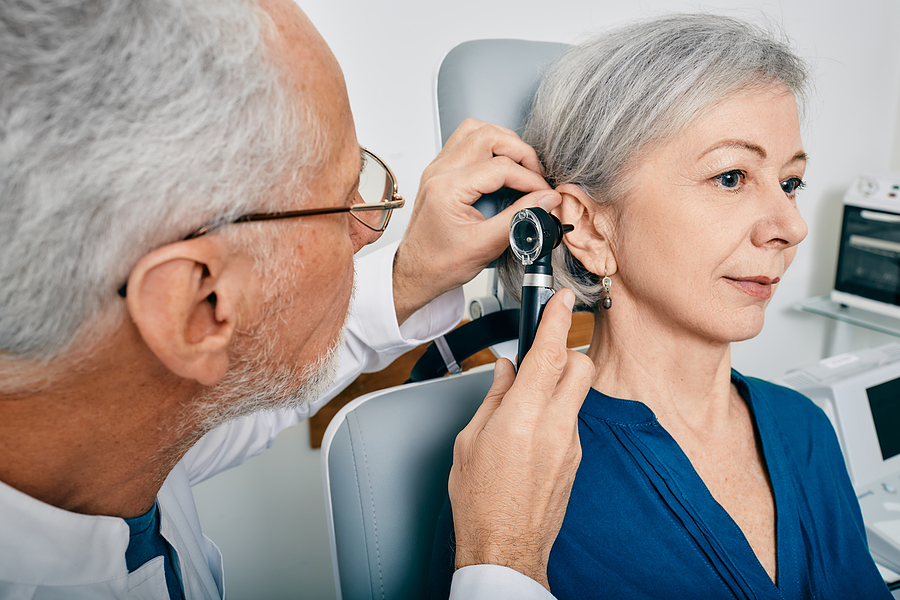
Hearing loss increases with age, but we can be proactive about saving it.
Around half of us in our 60s will have lost some hearing. By our 70s it’s said to be around 70%, and by our 80s it’s 80%. So hearing loss is hardly uncommon.
That said, lack of hearing encourages social withdrawal, which is a risk factor for dementia, and none of us has our hand up for that.
Signs that you might have some hearing loss
This can be hard to detect because it happens so gradually. Apparently, there’s about 10 years between when we start to have hearing issues and when we do something about them.
But if, for example, we’re finding it hard to hear people when we can’t see their lips moving, we’re asking others to repeat themselves a little too often, we need the TV louder than other people, or we’re avoiding situations where it’s likely to be noisy, we need to take note.
Exposure to loud noise can cause damage
Of course, age isn’t the only reason for hearing loss. If we’ve been exposed to loud noise in the past, that could be a factor too.
Anything above 85 decibels can be a problem, and loud concerts go well over that. Even lawn mower noise is up around 90-95 decibels.
These days a lot of us also use earbuds. Once upon a time we could only increase the volume of sound by so much before it started to distort. Not anymore. Now it’s easy to take it too high.
Tinnitus
This refers to buzzing or ringing in the ears, and it’s a sign that we’ve begun to lose some hearing.
German research published a couple of years ago reported on the hearing of a sample of people whose average age was 61. Twenty-six percent (about one in four) had tinnitus though only about 10% were bothered by it. Slightly more men had it. The prevalence seems to increase with age and peaks between ages 75 and 79.
It’s thought that tinnitus is created by the brain. When hearing loss means the brain isn’t receiving enough sound, it starts making its own. Not that everyone with hearing loss has tinnitus.
Dehydration can increase the sound because the ears contain liquid which can be affected if we’re dehydrated.
Tinnitus can also be increased by conditions such as high blood pressure, diabetes or thyroid issues, and medications such as cancer drugs, and some antibiotics, anti-depressants and anti-inflammatories (e.g. Ibuprofen, aspirin).
Wax is protective
A lot of us don’t appreciate this, but it keeps out dust, dirt and insects, and kills bacteria and viruses that might otherwise find their way into the ear canal. So let’s not be too zealous about removing it.
Ear specialists advise not to use cotton buds in our ears. If we feel the need to clean or dry them, using a little finger with some tissue is better than thrusting a cotton bud in there. Our finger can’t go too far but a cotton bud can.
Finally, if you have any suspicion about your ears or your hearing, talk to your GP. And if you need a hearing aid, get it and use it. They might not be perfect, but any improvement they provide is a step towards maintaining social contact and a normal life. At least the technology now is the best it’s ever been.
Photo Source: Bigstock