
 0407 160 107
 View all blog posts
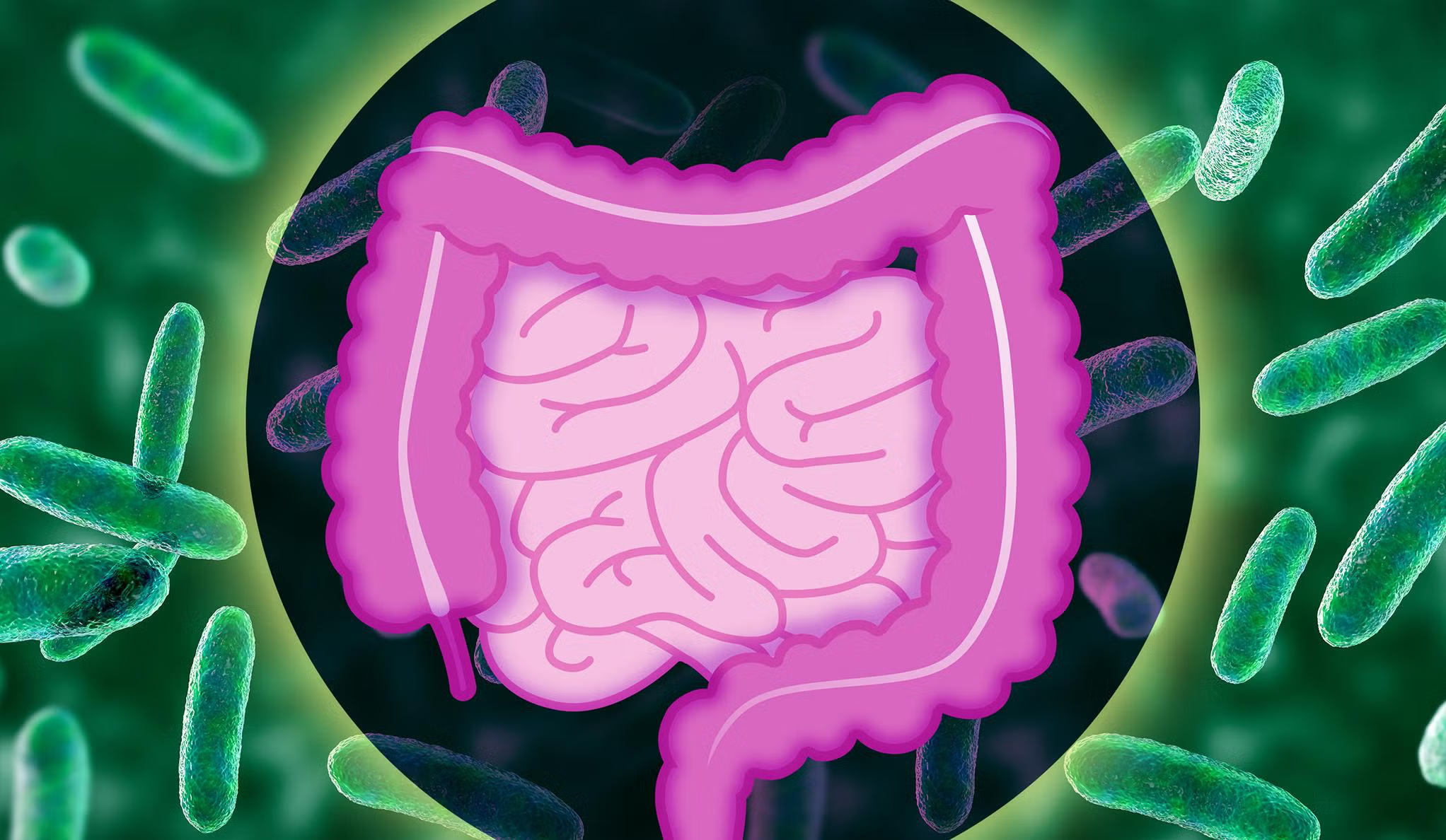
Healthy ageing requires a healthy gut, and physical activity has a surprising role to play.
To understand how this happens we need to shift some old ideas about exercise.
For much of our lives it’s been pitched to us as a way to burn calories or ‘tone up’, though as we’ve grown older, there’s been more emphasis on heart health and building strength to preserve muscle and bone.
But in recent years, we’ve discovered that exercise does more than all of this and muscle is more than just the tissue that makes it happen.
For example, during physical activity working muscle releases substances that travel to the brain and stimulate production of a protein that maintains the health of nerve cells and expands the connections between them, helping memory and learning.
Muscle, it turns out, can send chemical messages the same way glands and organs do.
Scientists refer to ‘cross-talk’ between organs and glands, and muscle participates in these conversations too.
This is where the gut comes in. Muscle also talks to the gut.
During exercise it releases tiny proteins and peptides which stimulate the growth of more diverse bacteria in the gut.
And since this is where most of our immune cells live, our immunity receives a boost as well.
Another spin-off of the relationship between exercise and the gut is protection against bowel cancer.
Exercise downgrades our risk of a range of cancers by reducing inflammation, strengthening the immune system, and regulating excess estrogen and insulin, but gut-related cancers top the list.
While no one knows what the magic dose is, it’s safe to assume that a) there’s no single activity that sits above all others, b) a bit more effort or intensity that makes it harder to talk at the same time is a good thing if you can manage it, and c) consistency matters most.
It’s not hard to see how gut health declines with age if we eat a less diverse diet and become less active.
That combination reduces gut diversity, which steers us towards poorer immunity and metabolism, and increased frailty.
Of course, exercise isn’t a hero in a cape doing all of this alone. Stress reduction, sleep and diet are probably just as important.
It’s likely we all know what a gut-friendly diet looks like, but once more for luck: gut researchers advocate a variety of unprocessed foods, including the kind of fibre that comes from legumes, vegetables, fruit, and whole grains. Provided your gut handles these well.
What’s also interesting is that the connections between muscle, the brain, and the gut travel both ways.
For example, exercise bolsters the brain and gut, but a healthy gut also helps reduce muscle wastage and support brain function.
We’ve long known that physical activity is vital to healthy ageing, but the more we learn the more it’s reinforced. In ways we never previously imagined.
Photo Source: stock.adobe.com